Operations
Part of Operating marketplace seller software as a state machine, not a status label
A marketplace software quality checklist with evidence IDs and an exit test
Check marketplace software with evidence IDs, pass, fail or unresolved results, separate legal and assurance gates, rollback and an exit test.
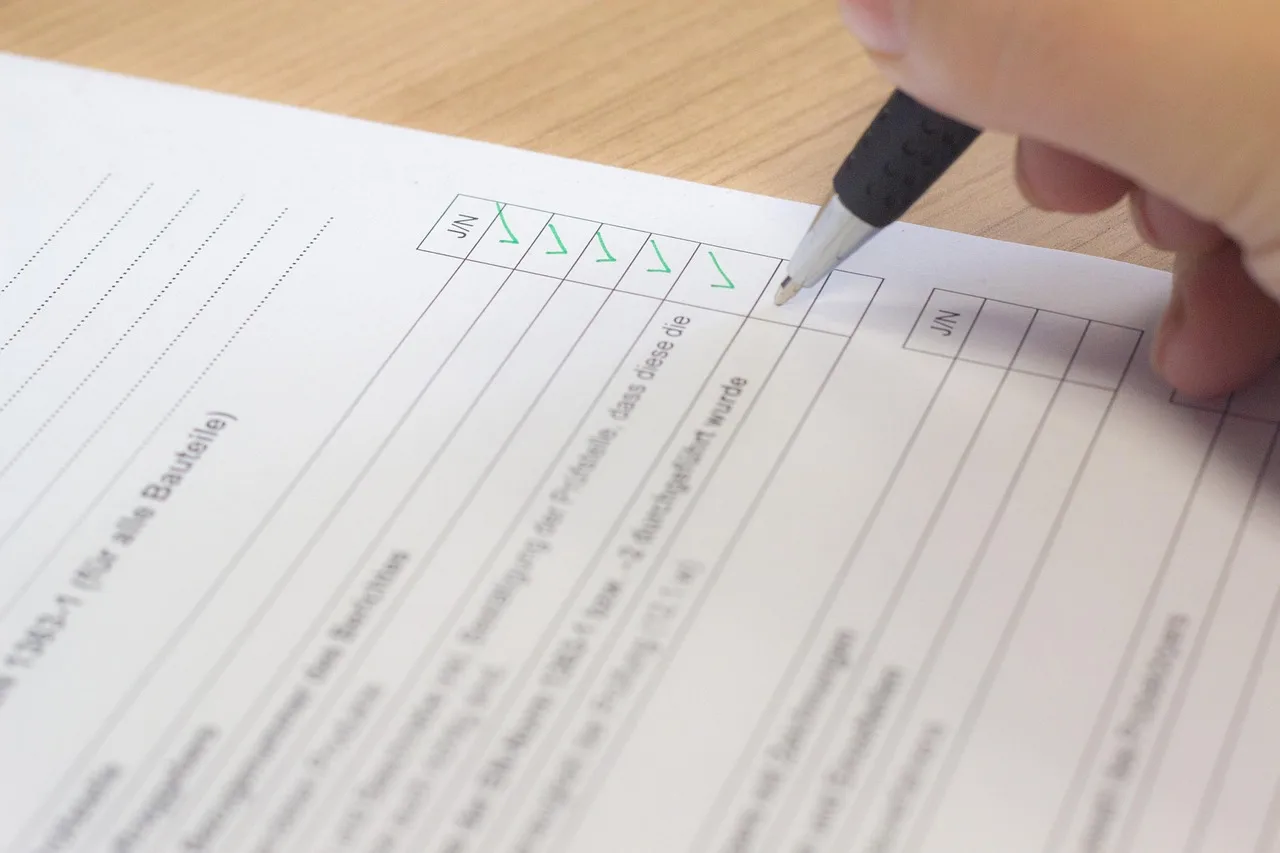
Use this marketplace seller software quality checklist on one versioned release for a fictional England seller and authorised account. Every row receives an evidence ID, owner, date and PASS, FAIL or UNRESOLVED result. A missing record is unresolved, never an assumed pass.
This checklist is generic and is not legal advice. No system was tested. The research date is 6 September 2026, and production must remain disabled until the buyer and named specialists complete the checks.
What to take away
- Every checklist row needs an evidence ID, owner, date and a PASS, FAIL or UNRESOLVED result.
- A missing record counts as unresolved, never as an assumed pass.
- Production stays disabled until the buyer and named specialists complete the checks.
- A screenshot without the source record cannot prove which product, account or event produced it.
Product and listing gate
- Seller, account, product population and source version match the release record.
- Identifiers, description, claims, media rights, traceability, warnings and expiry have separate evidence IDs.
- Rejected, duplicate and late product events enter a visible exception queue.
- The rendered listing matches the approved payload or triggers correction and withdrawal.
Acceptance criterion: all rows show PASS, with listing, source version and exception records reconciled to the release record.
OPSS product-safety guidance sets relevant actor and territorial boundaries for goods. The qualified safety reviewer decides applicability. FAIL or UNRESOLVED stops affected products regardless of other scores.
Consumer and price gate
- Seller identity, description, total price, delivery and payment information are tied to the inspected version.
- The customer can correct the order before commitment and retain the confirmation.
- Optional extras begin unselected and have evidence of an active choice.
- Cancellation, return and refund routes preserve the original order and later state.
Acceptance criterion: all rows show PASS, with the inspected journey matching the order, price and refund evidence.
The government's online-selling page and additional-charge guidance support these review subjects. They do not certify a journey.
Order, payment and finance gate
- Placed, accepted, authorised, captured, fulfilled, cancelled, returned, refunded, disputed and settled events have distinct definitions.
- Duplicate or rejected events cannot create another charge or erase a reversal.
- Marketplace, payment and seller records reconcile through a named exception owner.
- VAT and accounting entries use approved transaction evidence, not a dashboard assumption.
Acceptance criterion: all rows show PASS, with transaction records reconciled and no duplicate or missing entries.
HMRC's VAT record guidance covers supplies and adjustments. The named accountant and tax adviser own the decision.
Data, security and access gate
- Purposes, sources, controller or processor roles, recipients, retention and deletion are documented.
- Refused storage or access remains refused across retries and server-side operations.
- Privileged access is task-limited, logged, reviewed and removable.
- Incident contacts, containment, protected evidence and recovery steps are rehearsed.
Acceptance criterion: all rows show PASS, with access, retention and incident evidence matching the documented controls.
The ICO explains controller and processor roles. NCSC SaaS guidance covers customer configuration and protected recovery copies. Each specialist gate stands alone.
Accessibility and exit gate
- Customer and staff tasks can be completed through WCAG 2.2 Level AA success criteria.
- Errors, authentication, correction, refunds and support are included, not just the product page.
- A seller-owned export covers products, mappings, open orders, events and audit history.
- Isolated restore, access removal, deletion evidence and return to the prior route have recorded results.
Acceptance criterion: all rows show PASS, with WCAG 2.2 Level AA tasks completed and seller export and restore evidence recorded.
The government service-provider guide gives the Great Britain context. It is not a test result.
Record evidence consistently
An evidence ID should resolve to the inspected object, version, environment, test method, expected result, observed result, reviewer and review time. Attach screenshots or exports only when their collection and retention are authorised. A screenshot without the source record cannot prove which product, account or event produced it.
When a check fails, link the defect to affected records and the safe state. Record who can correct it, what must be retested and which later approvals are invalidated. Do not close the item merely because a supplier ticket exists.
Use a versioned CSV export or a Markdown table with these columns: evidence ID, gate, owner, date, expected result, observed result and verdict. One completed row might read:
| Evidence ID | Gate | Owner | Date | Expected result | Observed result | Verdict |
|---|---|---|---|---|---|---|
| PL-001 | Product and listing | Product lead | 2026-09-06 | Listing payload matches approved product data | Rendered listing showed expired claim | FAIL |
The time to run the checklist depends on release scope, the number of products, accounts and integrations, and how much evidence already exists. Plan one review session per gate and a retest after each correction.
Release decision
Record one verdict for the exact build: PASS, REWORK, HOLD or STOP. The consumer, safety, tax, privacy and PECR, security, accessibility and exit gates are non-compensating. Any FAIL or UNRESOLVED result blocks release, even when a commercial forecast looks favourable.
Before you act
- Assign an evidence ID, owner and date to every row.
- Confirm the seller, account and source version match the release record.
- Keep rejected, duplicate and late product events in a visible exception queue.
- Record one verdict for the exact buildPASS, REWORK, HOLD or STOP.
- Link each failed check to affected records and the safe state.
- Confirm the seller-owned export covers products, orders, events and audit history.
Common questions
What happens if a checklist row has no record?
Treat it as UNRESOLVED. Record the missing evidence and keep the affected release item open until the owner supplies it.
Which gates are non-compensating?
They are the consumer, safety, tax, privacy and PECR, security, accessibility and exit gates. A pass in one cannot compensate for a failure in another.
What should an evidence ID resolve to?
It should point to the inspected object, version, environment, test method, expected and observed results, reviewer and time.